Long-form research and timely analysis on power, institutions, diplomacy, and the forces reshaping Lebanon and the wider Middle East.
02 Research publications15 Selected articles05 Areas of inquiry
Articles & essays
Browse the library
Search the collection or follow a theme across state-building, regional power, diplomacy, and political institutions.
Showing 1–6 of 18 articles
Regional power
Al Modon
Iran and Its Neighbors After the Breakdown of Trust
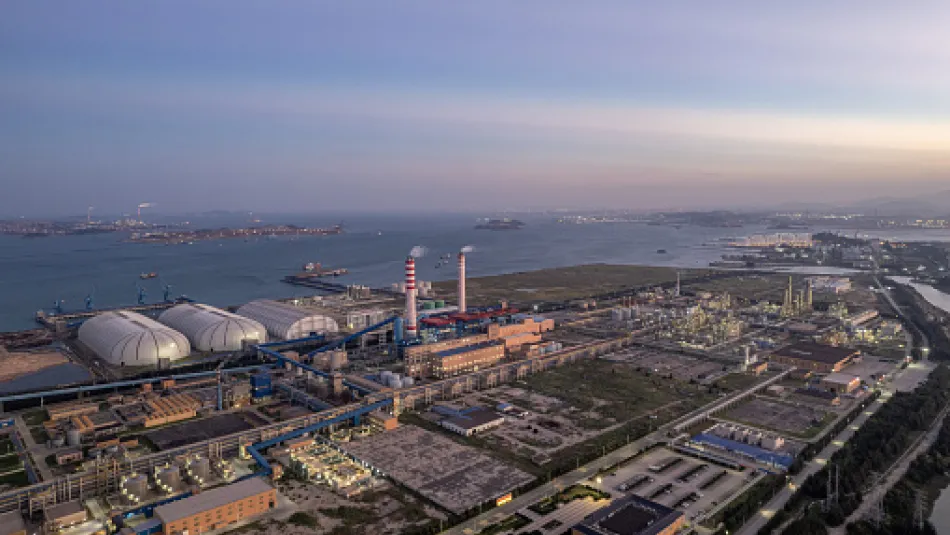
How regional escalation erodes trust between Iran and its Arab neighbors, and why rebuilding relations requires respect for sovereignty, verifiable commitments, and shared security arrangements.
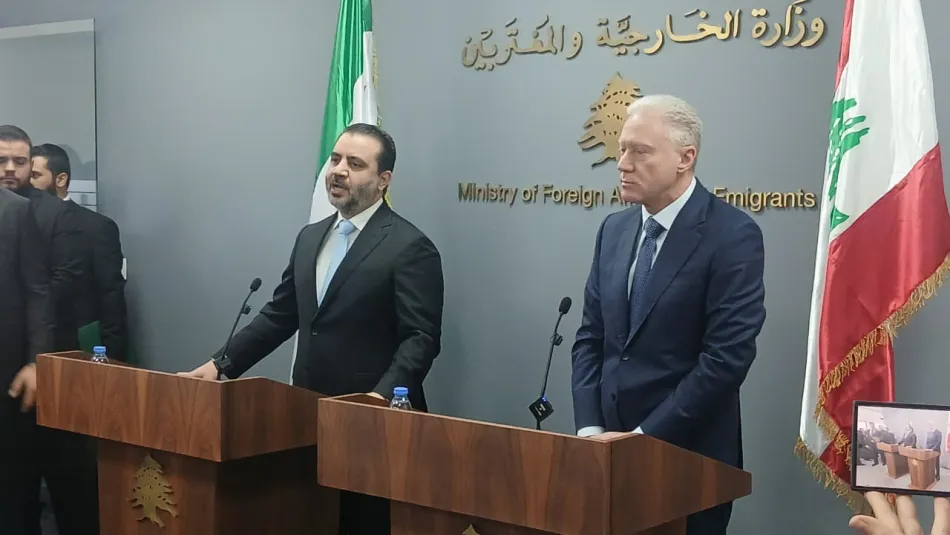
Why a new relationship between Lebanon and Syria requires respect for sovereignty, strong institutions, and accountable cooperation beyond the end of Syrian tutelage.
Why Lebanese moderation needs an organized political project rooted in state authority, institutional reform, and citizens’ rights, with clear commitments that go beyond calls for calm.
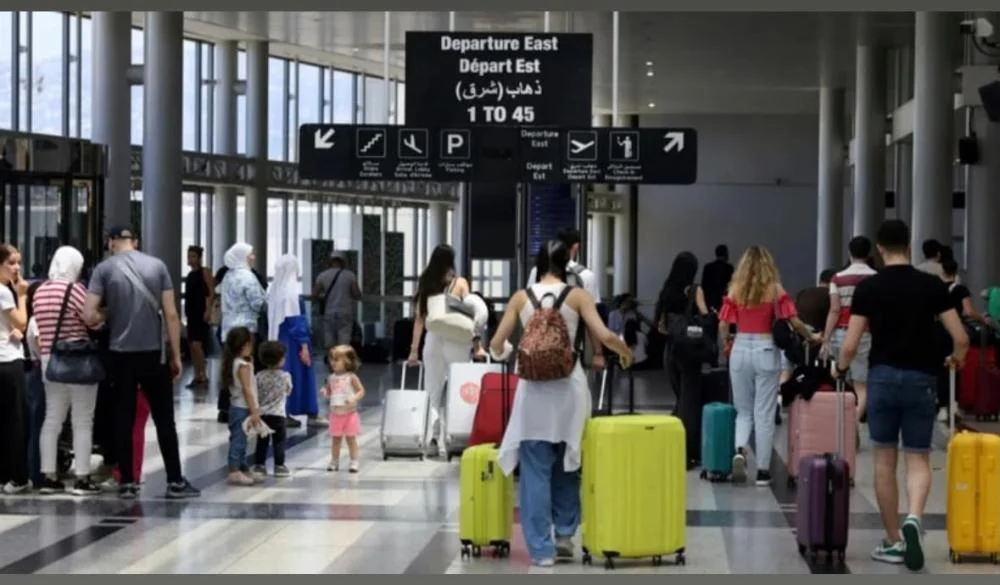
Why Lebanon needs a lasting partnership with its diaspora—one built on trust, expertise, and opportunity, rather than relying on emigrants to shoulder the cost of the country’s crises.
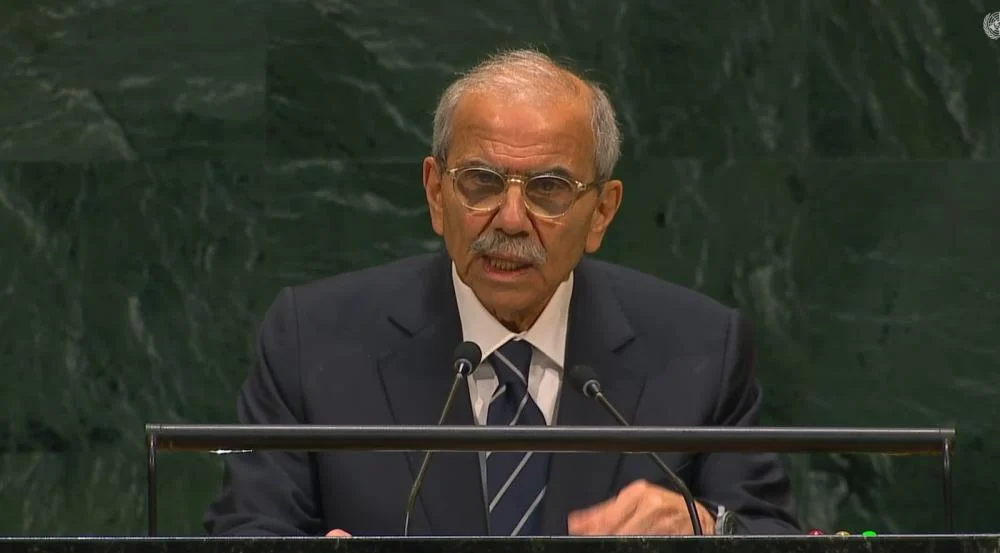
Lebanon at the United Nations: Who Has the Right to Speak on Its Behalf?
An examination of Lebanon’s sovereign voice at the United Nations, and why the authority to negotiate, decide on war and peace, and protect citizens must rest with accountable state institutions.
Why political accountability loses credibility when parties scrutinize today’s government while overlooking their own years of influence and responsibility.
A reflection on the difference between homeland, state, and political power—and why citizenship begins when no leader or party is treated as the nation itself.
How the State Became an Intermediary… And How the Brokers’ Cartel Was Built
How patronage networks inserted themselves between citizens and authority, turning public rights into favors and the state into a negotiated intermediary.
The Crisis of Decision-Making in the Middle East: Negotiations as a Substitute for Solutions
Why political success is increasingly measured by crises avoided rather than outcomes achieved—and how endless talks can become a substitute for strategy.
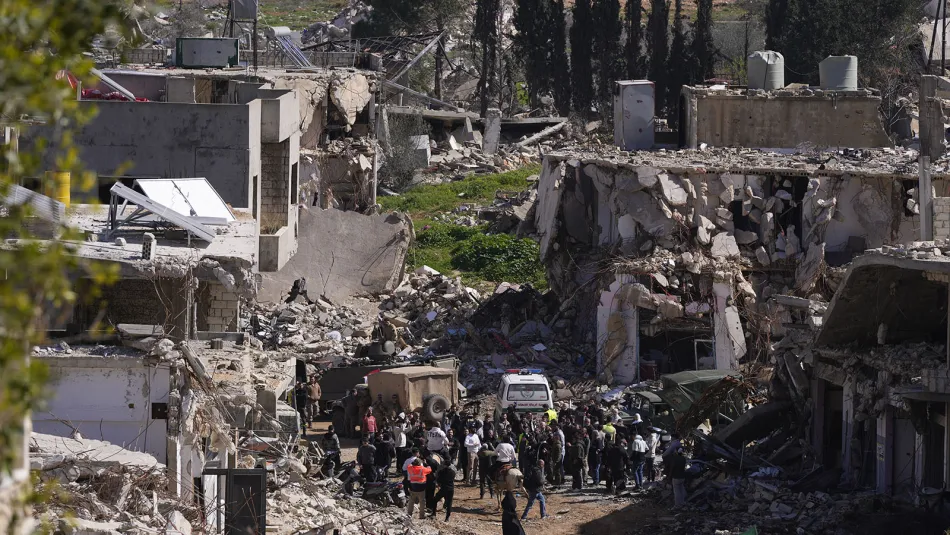
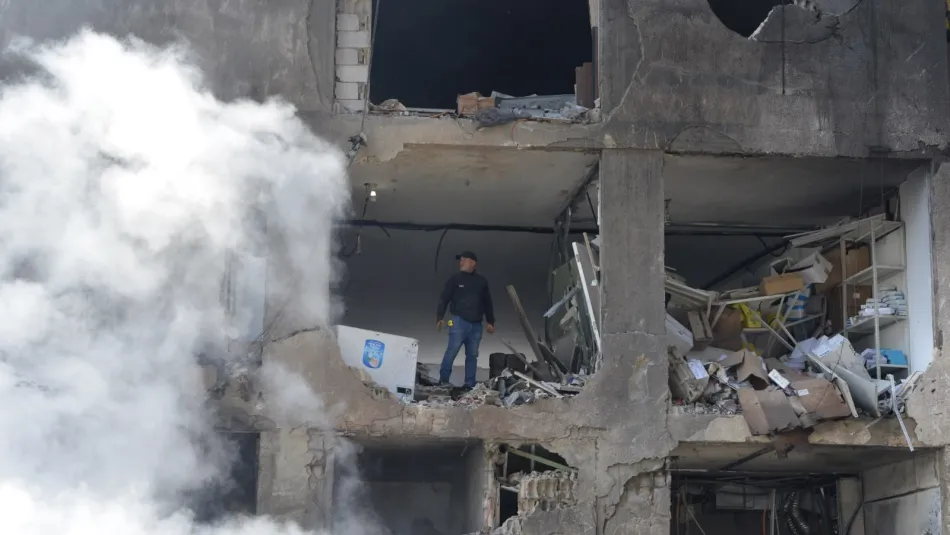
The South After the War: A Final Opportunity to Build the State?
The deeper test is not whether the state can return to southern Lebanon, but whether political actors are prepared to accept the consequences of a strong state.
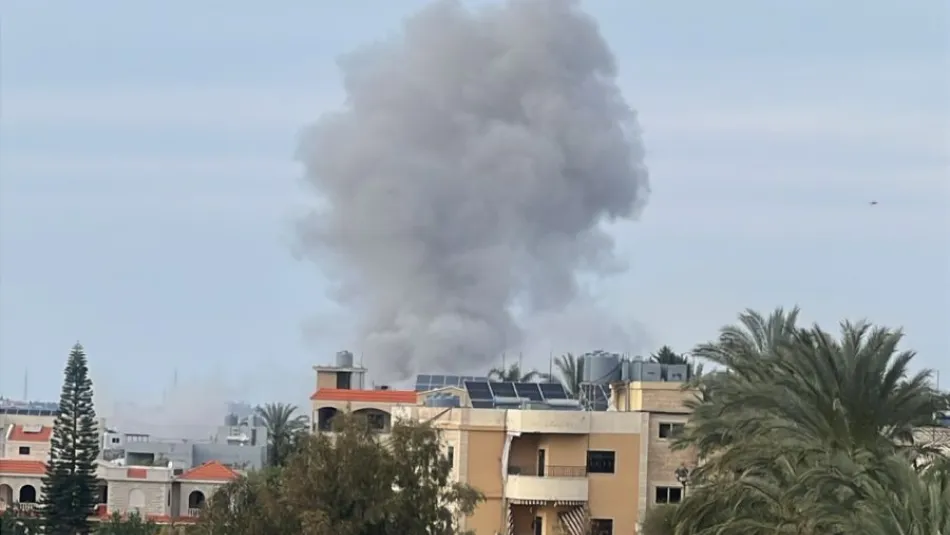
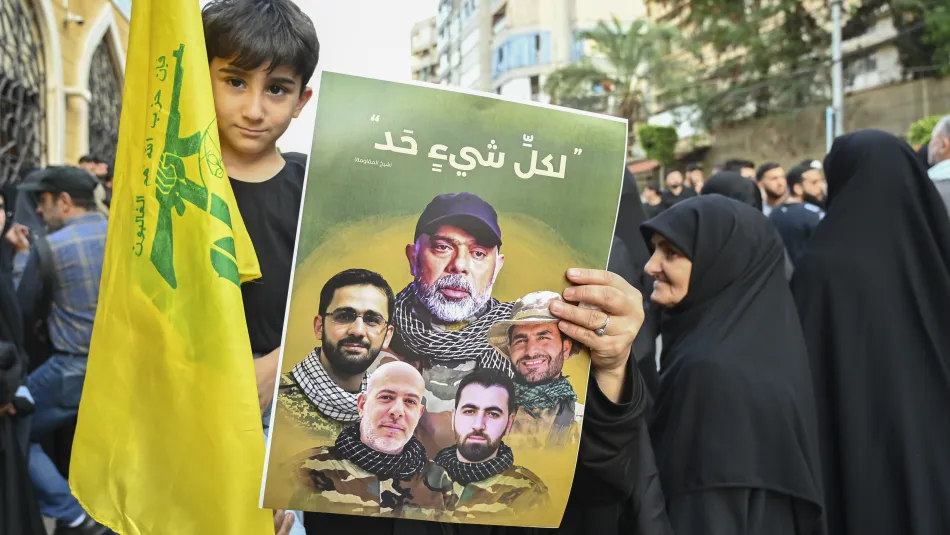
From the Heart of the Southern Suburbs to the Region: The Repercussions After Tabatabai
A regional reading of an Iran under mounting pressure, balancing the risks of escalation across Iraq, Syria, and Lebanon against the impulse to preserve leverage.
Extended academic work exploring political thought, public authority, and the institutions that shape social life.
PhD dissertation · 2026
The Question of Civility and Civilization in Modern and Contemporary Islamic Thought
An inquiry into how modern Islamic thought has understood civility and civilization—and how those ideas continue to inform political modernity, identity, and public life.
Research publication · 2024
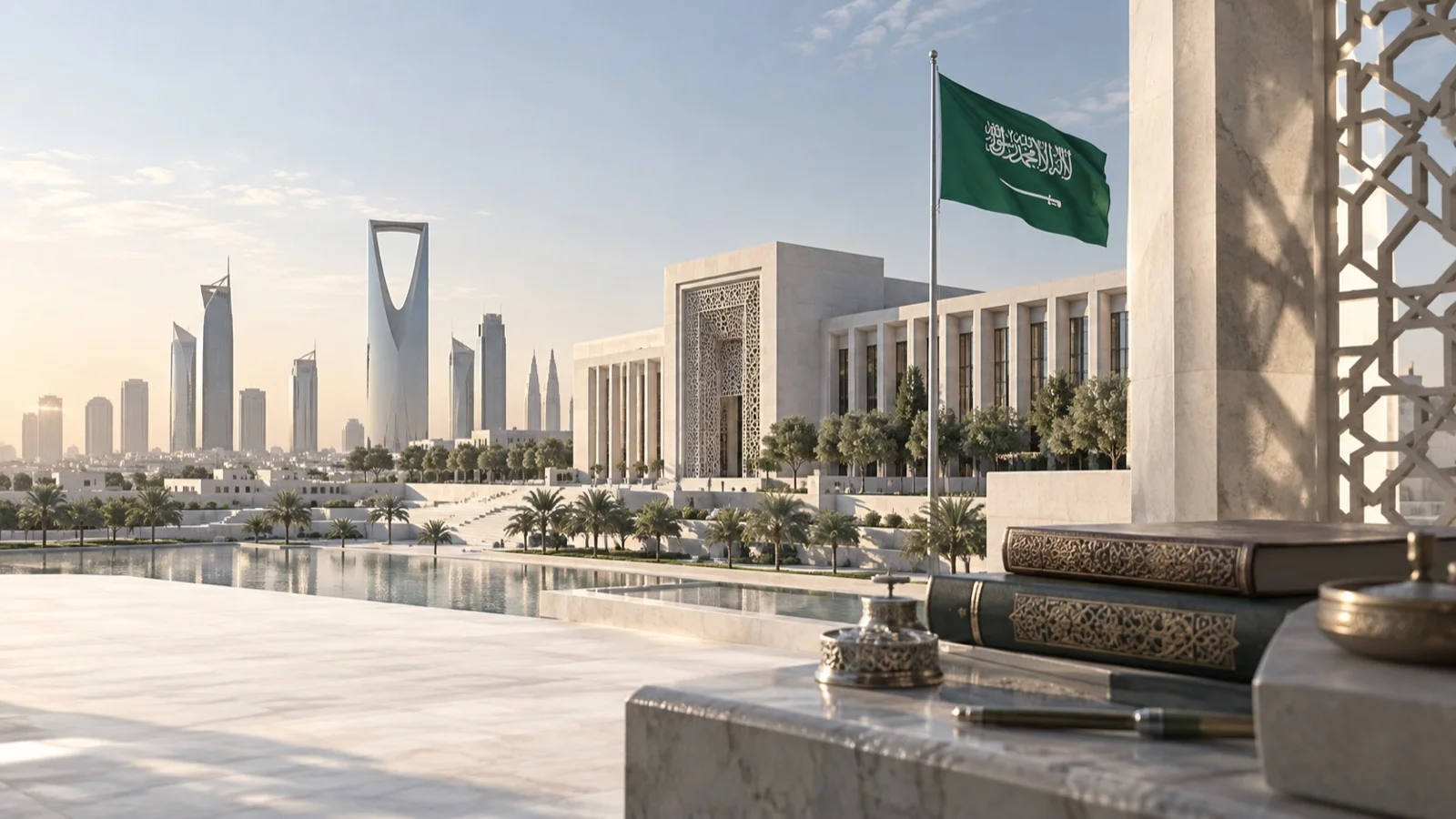
Religion Policies in the Kingdom of Saudi Arabia — Council of Senior Scholars
An institutional study of religious authority and public governance, tracing the role, evolution, and policy influence of Saudi Arabia’s Council of Senior Scholars.

 Regional power
 Al Modon